- A project baseline is only useful if scope, schedule, cost and quality are linked.
- Reporting should show decisions and trends, not just activity.
- Change control and records protect both the client and the project team.
Project controls are the instruments that tell a client whether the project is still where it is supposed to be. Without them, problems become visible only when they are expensive.
The baseline
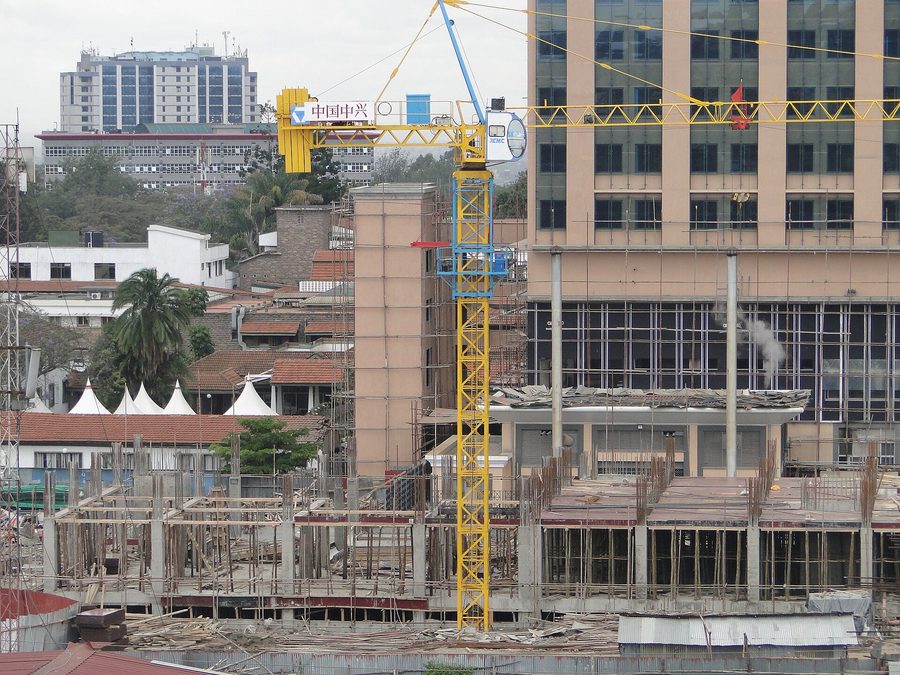
The baseline is the agreed version of the project: scope, schedule, cost, quality requirements and responsibilities. It should be specific enough to measure against. A programme with ten summary activities is not a baseline. A cost estimate without assumptions is not a budget.
The baseline also needs a change process. If every request is absorbed informally, the project loses the ability to distinguish scope growth from poor performance.
Controls and evidence
| Control | Purpose | Evidence |
|---|---|---|
| Scope | Define what is included and excluded | Scope statement, drawings, specifications, responsibility matrix |
| Schedule | Show the sequence, critical path and milestones | Baseline programme, progress updates, look-ahead plans |
| Cost | Track commitments, payments and forecast | Budget, BOQ, invoices, commitment register, cost report |
| Risk | Identify and manage threats and opportunities | Risk register, owners, mitigation actions and reviews |
| Quality | Confirm the works meet specification | ITP, test records, inspections and non-conformance log |
| Change | Control scope, time and cost changes | Change requests, impact assessments and approvals |
A reporting rhythm
Reporting should follow the rhythm of the project. A weekly site report may be appropriate during construction, with a monthly management report covering cost, schedule, risk and quality. The report should highlight decisions needed, not bury them in narrative.
Good reports use trends. Is progress improving or slipping? Is the cost forecast moving? Are open risks increasing? A single status colour is less useful than the direction of travel.
Change control
Change is normal in engineering projects. The problem is uncontrolled change. A change request should describe the change, the reason, the impact on scope, cost, schedule and quality, and the recommendation. The client should approve or reject it with the information in front of them.
Verbal instructions should be confirmed in writing. If a change is urgent, the project can act first and document immediately, but the record must still be created.
The quantity surveyor's role
Quantity surveyors connect design information to cost. They prepare and check bills of quantities, measure work, evaluate variations, certify payments and support final accounts. On complex projects, they also help test whether the design is affordable before it is fully detailed.
Cost control is not only about the contractor's price. It includes design changes, site instructions, delays, currency and logistics. A quantity surveyor who understands construction can identify a cost issue before it appears in a claim.
Closing the project
At completion, the project should reconcile the final scope, final account, programme, quality records and outstanding defects. Lessons should be recorded and fed into the next project. A close-out report is not a formality; it is the organisation's memory.
Conclusion
Project controls give the client visibility and the team a common basis for decisions. They require discipline, good records and a willingness to report bad news early. Amanda Engineering provides project management, monitoring and evaluation, quantity surveying and technical audit support across oil and gas, energy and infrastructure projects.
The human side of controls
Controls only work when people use them. A programme that the site team does not update is not a control. A risk register that nobody reviews is a list. The project manager has to create a rhythm where progress, cost, risk and quality are discussed together, and where bad news is reported early.
Clients also have a role. Decisions that sit with the client should have agreed response times. A project can be delayed by a late approval as easily as by a contractor's performance.
Common warning signs
- Progress reported as activity rather than against milestones.
- Cost reports that do not reconcile to commitments and invoices.
- Variations instructed before they are assessed.
- Risk registers that have not changed for months.
- Quality records that are incomplete at handover.
- Decisions that are made verbally and never confirmed.
Supervision that protects design intent
Need support on a project like this?
Our team can help with feasibility, design, procurement, construction supervision and project management. Tell us about the site, scope and stage of your project.
Discuss a project