Loiyangalani–Suswa 400kV Transmission Line
Resettlement action planning and safeguards support for a 428 km high-voltage transmission corridor linking northern Kenya to the national grid.
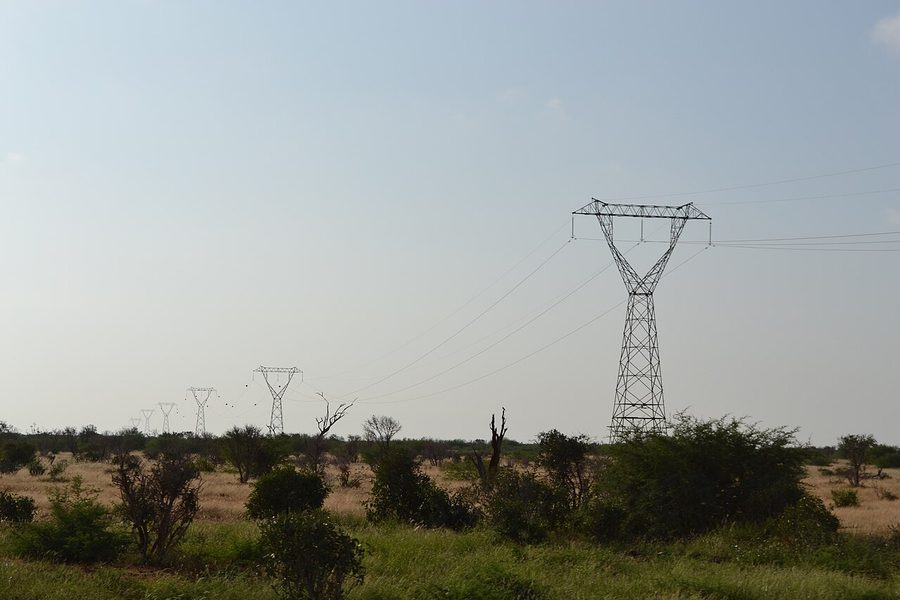
The Loiyangalani–Suswa 400kV transmission line is a major component of Kenya's grid infrastructure, connecting generation in the north to the national network. Amanda Engineering worked on the Resettlement Action Plan and related safeguards documentation for the 428 km corridor.
The work included updating earlier reports, preparing compensation frameworks and setting out the procedures and actions required to ensure affected people and communities were compensated in line with national requirements and international standards.
- Client
- Kenya Electricity Transmission Company (KETRACO)
- Location
- Loiyangalani to Suswa, Kenya
- Period
- 2011–2015
- Scope
- 428 km transmission corridor
- Amanda role
- Resettlement action planning, valuation and entitlement framework for the corridor
- Status
- Completed
- Sector
- Transmission / Resettlement
What we delivered.
The assignment was delivered by Amanda Engineering and its associates, with the client and project partners.
- Detailed socio-economic surveys of affected people and communities.
- Valuation of affected land, structures and assets.
- Preparation of an inventory of losses and a compensation entitlement matrix.
- Compensation framework aligned with Kenyan law and AfDB requirements.
- Stakeholder engagement, disclosure and completion reporting.
- Addendum reporting to align the RAP with current policy requirements.
A defensible resettlement framework for a 428 km corridor
The engineering and delivery context behind the assignment.
The Loiyangalani-Suswa 400kV line is a major grid corridor. The resettlement action plan had to be defensible, transparent and aligned with both Kenyan law and the requirements of international financiers.
We prepared and updated the RAP, including socio-economic surveys, asset valuation, inventory of losses, entitlement matrix and compensation framework. The work covered a 428 km corridor and multiple affected communities.
The approach combined fieldwork, legal and policy review, stakeholder engagement and reporting. The addendum aligned the earlier RAP with African Development Bank requirements and set out the actions needed for implementation.
The result was a documented framework that set out who was affected, what they were entitled to, how valuation would be carried out and how compensation and relocation would be managed.
What made the assignment demanding.
Resettlement planning across a 428 km corridor involves many landowners, communities and county boundaries.
- Planning resettlement and land access across a long linear corridor.
- Valuing assets and entitlements consistently across communities along the route.
- Managing consultation, grievances and reporting while the transmission programme advanced.
Project result.
The assignment provided KETRACO with a documented resettlement framework for the corridor, including valuation methods, entitlements and procedures for compensation and relocation.