- Hold points and approvals should be agreed before work starts.
- Site records are evidence, not administration.
- Handover begins at mobilisation, not at the end of the project.
Supervision is not a person standing on site with a clipboard. It is a system of checks that protects the client's design, programme, budget and reputation once construction begins.
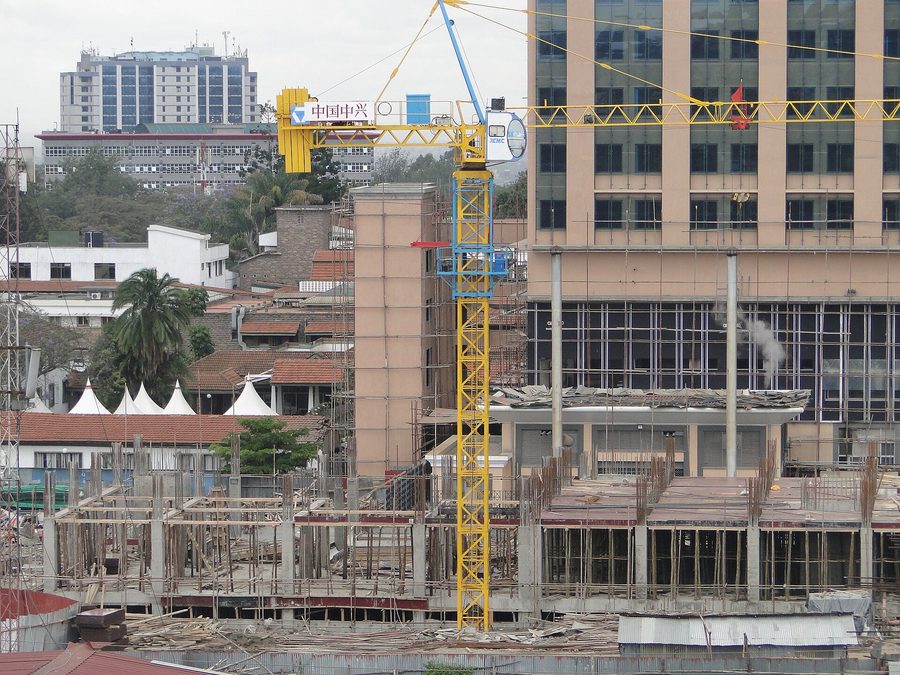
Before work starts
Good supervision begins before mobilisation. The team should review the contract documents, drawings, specifications, bill of quantities, programme and quality plan. It should identify the hold points, witness points, testing requirements and approval processes. The contractor's method statements, material submissions and site organisation should be reviewed before the first permanent work begins.
Setting out is a critical early check. Levels, grid lines, foundation positions and access routes must be verified against the design. An error at this stage can be expensive to correct later, particularly on a site with multiple interfaces.
Materials and workmanship
Materials should be approved before delivery. Certificates, test results and samples provide evidence that the specified product is being used. Concrete, reinforcement, aggregates, bitumen, pipes, fittings and finishes all need appropriate checks. Testing should follow the inspection and test plan, not an informal site routine.
Workmanship matters as much as material quality. Compaction, curing, formwork, reinforcement spacing, joint preparation, waterproofing and finishes all affect durability. Supervision should catch poor practice early, when it can be corrected without cutting out completed work.
Hold points, inspections and non-conformance
Hold points are stages where work cannot proceed until an inspection or approval is complete. They should be agreed in advance and recorded. If work fails an inspection, a non-conformance report should describe the issue, the proposed remedy and the verification required. The report should be closed with evidence, not just a promise.
Good supervision also checks temporary works, safety arrangements and environmental controls. These are not separate from quality. A site that is poorly managed is more likely to produce defects and delays.
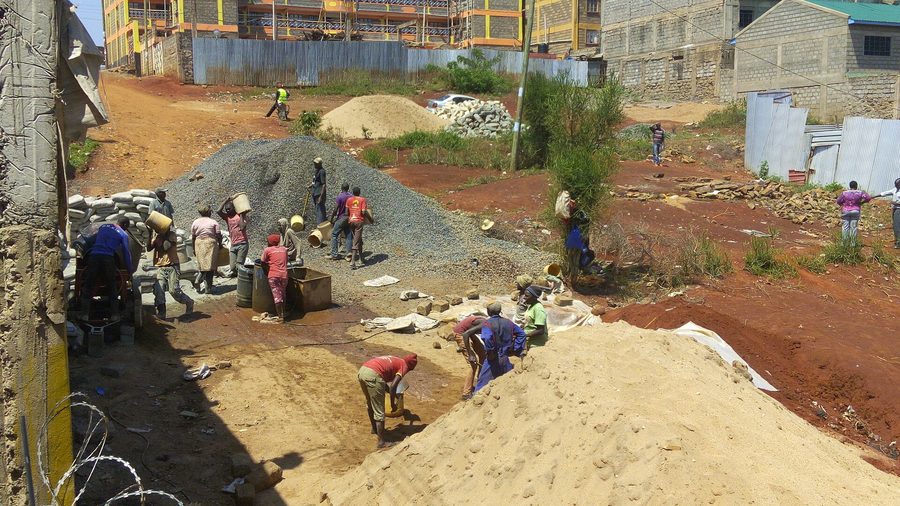
Setting out, materials, compaction, reinforcement and finishes all need checks at the right time. Supervision is most valuable before work is covered up or built over.
Reporting, requests for information and variations
Daily records, progress reports and photographs create a factual history of the works. Requests for information should be answered promptly and in writing. Variations should be assessed for cost, time and technical impact before they are instructed. Claims are easier to resolve when the records are complete and contemporaneous.
The supervisor should report against the programme, not just describe activity. If progress is slipping, the client needs to know why, what is being done and what decision is required.
Handover and defects
Handover is a process, not a meeting. It includes commissioning, testing, snagging, as-built drawings, operating manuals, warranties, spare parts and training. The defects liability period should be managed with a clear list, agreed response times and close-out evidence.
A well-run handover reduces the risk of problems appearing after the team has left site. It also gives the client the information needed to operate and maintain the asset.
Common failures to avoid
Projects often run into trouble when approvals are informal, test results are not reviewed, instructions are given verbally, variations are not priced, or the contractor's programme is not updated. These are management failures as much as technical ones. A disciplined supervision team addresses them before they become disputes.
How Amanda Engineering can help
Our team provides construction supervision, materials testing, quality assurance and project reporting across oil and gas, buildings, roads, water and energy projects. We work alongside the client, designer and contractor to keep the works compliant and the decisions documented.
Documentation is a project asset
Site records are not administration. They are the evidence that the client, contractor, designer and supervisor can rely on when a question arises about quality, time or cost. Daily reports, inspection sheets, test certificates, photographs and instructions should be organised so that they can be retrieved quickly.
At handover, the same records support the operating and maintenance team. A complete as-built package and a clear defects process reduce the risk of avoidable failures and make future maintenance easier to plan.
Typical hold points
The exact hold points depend on the works, but the following table shows the logic. Work should not proceed past a hold point until the inspection or test has been reviewed.
| Stage | Check | Evidence |
|---|---|---|
| Setting out | Lines, levels and dimensions | Survey record and approved drawing |
| Excavation | Depth, bearing stratum and groundwater | Inspection sheet and geotechnical confirmation |
| Reinforcement | Bar size, spacing, laps and cover | Inspection record and photographs |
| Formwork | Alignment, stability and cleanliness | Checklist before concrete placement |
| Concrete | Mix, slump, sampling and curing | Delivery notes, cube results and curing record |
| Backfill | Material, layer thickness and compaction | Density tests and approval |
| Finishes | Workmanship, tolerances and protection | Snag list and sign-off |
| Commissioning | Function, safety and performance | Test sheets, certificates and operating records |
What a handover pack should contain
- As-built drawings and a schedule of changes.
- Inspection and test records, including non-conformance close-outs.
- Material certificates and warranties.
- Operating and maintenance manuals.
- Spare parts lists and supplier contacts.
- Training records and commissioning reports.
- A defects list with responsibilities and target dates.
The handover pack is a working document. If the client cannot use it to operate and maintain the asset, the handover is incomplete.
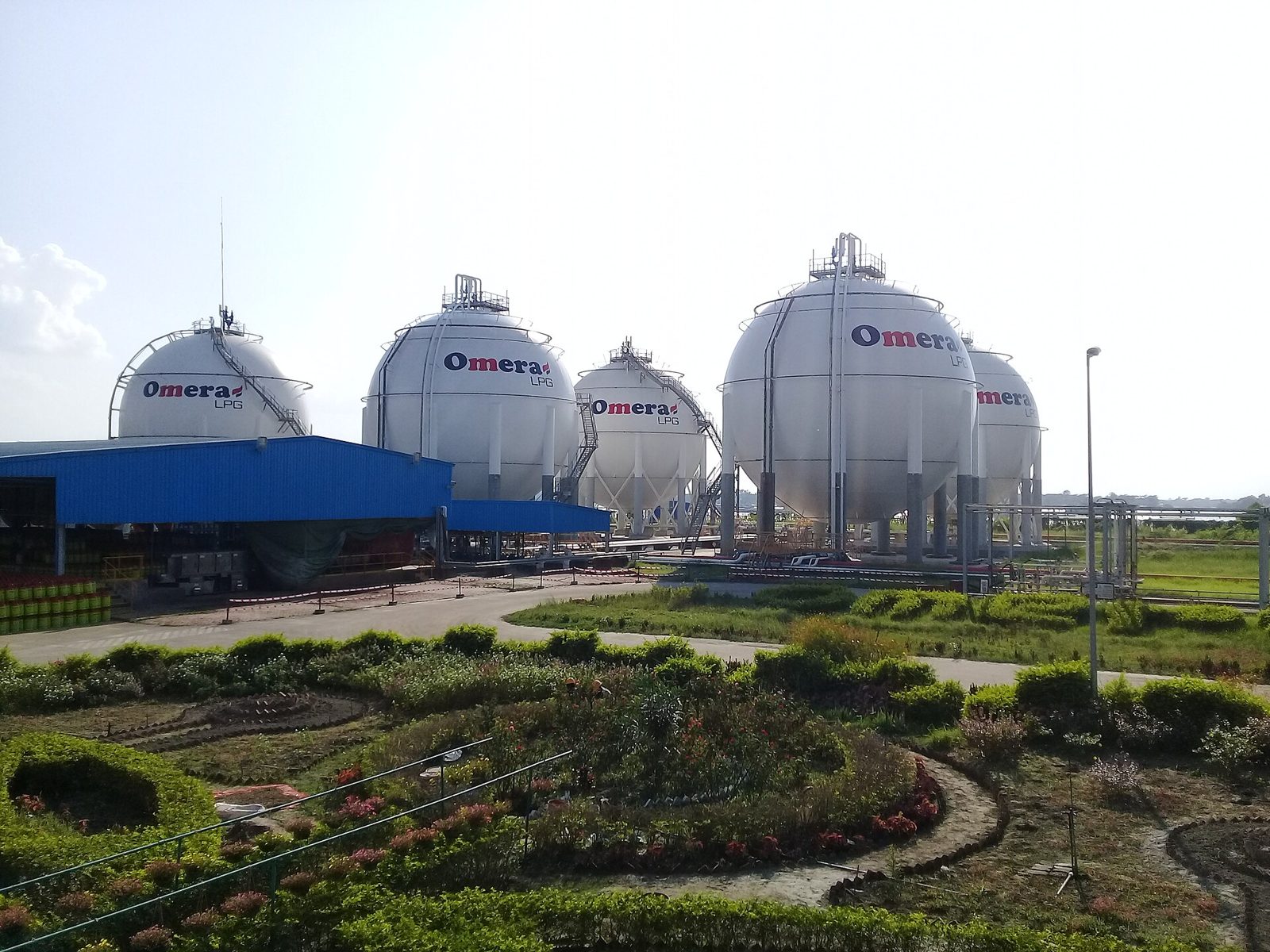
LPG terminal engineering: design codes, safety and delivery
Need support on a project like this?
Our team can help with feasibility, design, procurement, construction supervision and project management. Tell us about the site, scope and stage of your project.
Discuss a project