- Design codes are a minimum, not a substitute for engineering judgement.
- Civil, marine and process interfaces determine constructability.
- Commissioning and documentation are part of the safety case.
An LPG import terminal is a system of connected hazards. Storage, ship unloading, jetty piping, pumps, vaporisers, fire protection and control systems must be designed as one facility, not as separate packages.
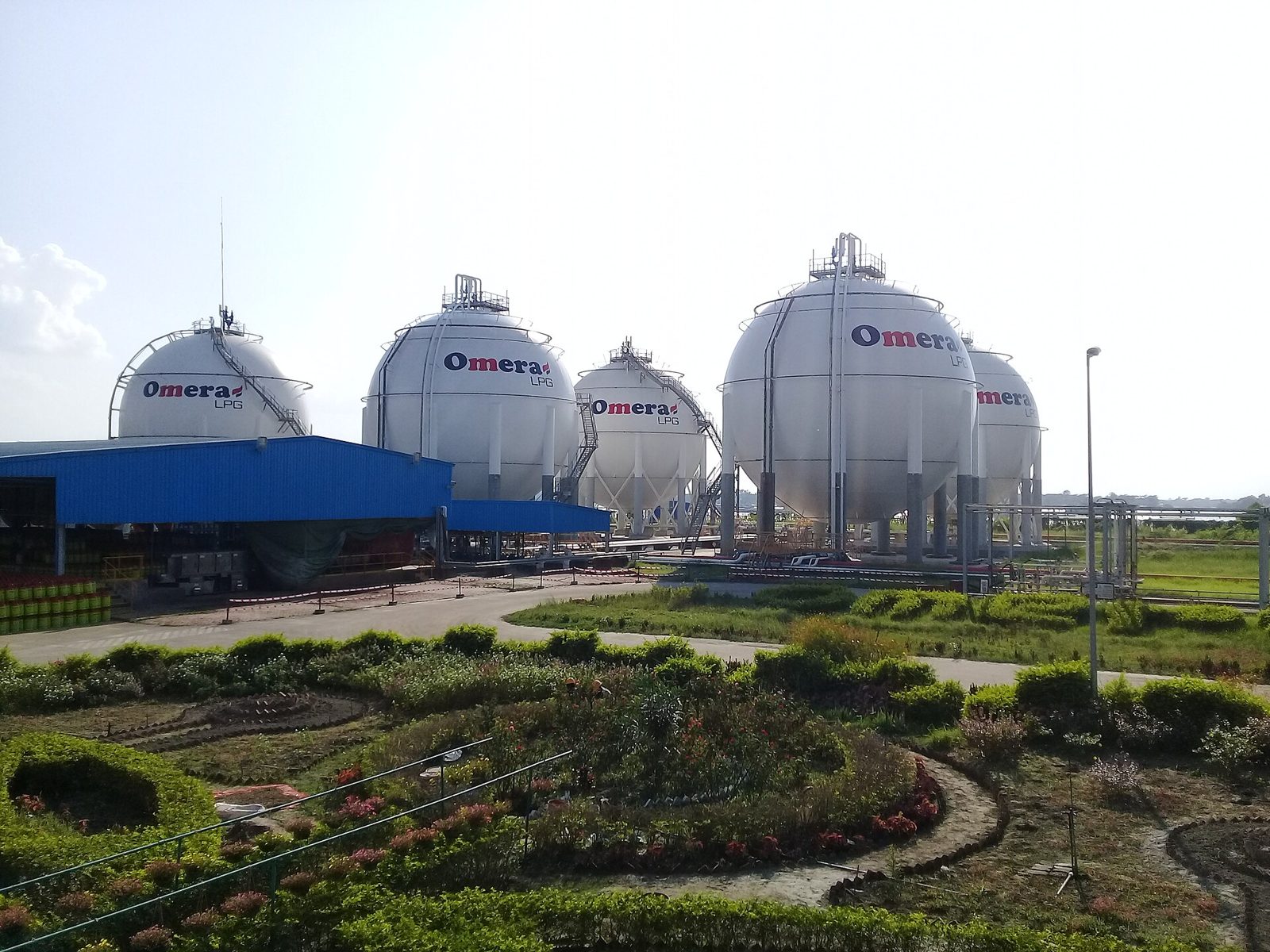
What an LPG terminal includes
A typical import terminal includes a marine jetty or unloading point, ship unloading arms or hoses, jetty piping, emergency shutdown systems, storage bullets or spheres, transfer pumps, vaporisers, a loading gantry, flare or relief systems, firewater and foam systems, and a control room. The civil works provide the foundations, bunds, access, drainage and buildings that support all of it.
The storage type depends on capacity, site constraints, safety distances and commercial requirements. Mounded bullets are often used for smaller or phased capacities. Spheres are common for larger volumes. Both must be designed to recognised pressure vessel codes and supported by foundations that can carry the operating and test loads.
Design codes and the basis of design
LPG storage is usually designed to ASME Section VIII Division 2 or an equivalent code, with project-specific requirements for material selection, welding, inspection and testing. The design basis should state the design pressure, design temperature, corrosion allowance, shell thickness, nozzle loads, seismic and wind loads, and the applicable fire case.
Codes are not a substitute for engineering judgement. The designer must consider the actual product, the operating philosophy, the emergency response arrangements and the site layout. A compliant vessel can still be difficult to operate or maintain if access, drainage and instrumentation are poorly planned.
Civil works and site layout
The civil scope includes foundations, plinths, bund walls, access roads, drainage, pipe supports, buildings and security. Bunds must contain spills and direct them away from other assets. Drainage must handle storm water without trapping product. Access must allow construction, operation, maintenance and emergency response.
Safety distances, hazardous area classification and fire protection requirements influence the layout. The civil team needs to understand those constraints early, because moving a tank or a building later is expensive. Foundation design also depends on the ground conditions and the loads from the vessel, piping and test water.
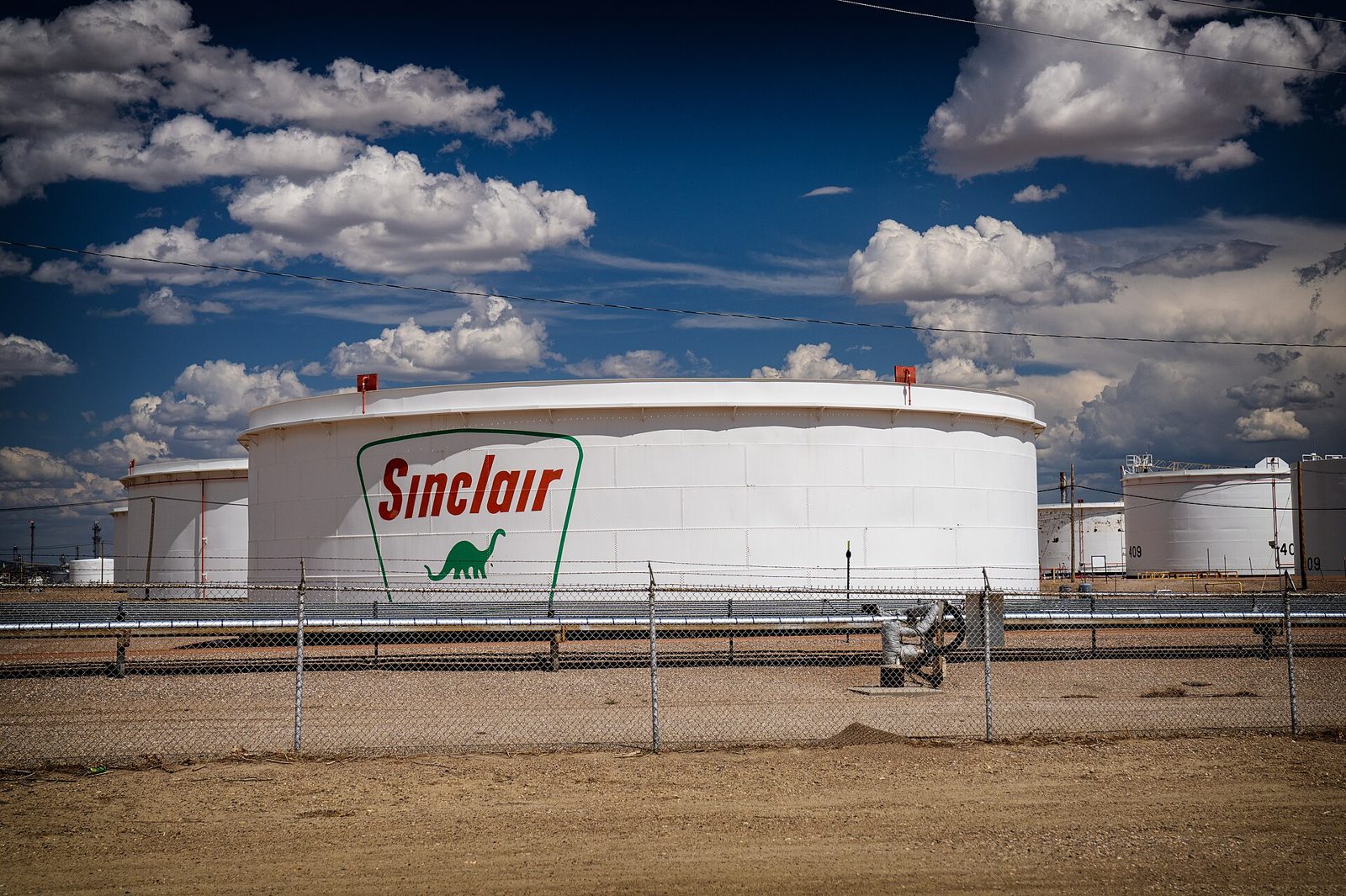
Jetty piping, transfer pumps, firewater, drainage, access and emergency response all shape the layout. A terminal is designed as one facility, even when it is procured in packages.
Construction, inspection and testing
Fabrication should be inspected against the approved drawings and welding procedure. Non-destructive testing, dimensional checks, pressure testing and coating inspection provide evidence that the vessel is fit for service. Lifting and installation of large bullets or spheres require a detailed method statement, competent supervision and a clear exclusion zone.
Piping systems need alignment, support, hydrotesting and flushing before commissioning. Instrumentation, emergency shutdown valves, fire detection and deluge systems should be tested as systems, not just as individual components.
Commissioning and handover
Commissioning should follow a documented sequence: system checks, dry runs, inerting, purging, leak tests, functional tests and controlled product introduction. Operations and maintenance staff need training, operating procedures, as-built drawings and maintenance schedules. The handover package should be complete enough for the facility to be operated safely without relying on the construction team.
Experience in Mombasa and Berbera
Amanda Engineering provided supportive engineering services for LPG storage at Mombasa: 15 mounded bullets of 1,650 MT each, a nominal 25,000 MT facility, and a separate 4 x 2,500 MT sphere terminal with jetty piping. We also supported the 2 x 2,500 MT LPG terminal at Berbera, with 5,000 m3 spheres and a 450 MT/hr ship unloading rate.
Our role covered design review, construction support and coordination across civil, structural, mechanical and process interfaces. That experience is directly relevant to developers who need an independent technical team alongside the EPC contractor.
Questions to ask an engineering team
Before appointing a team, ask how they will verify the design basis, how they will coordinate the EPC contractor and how they will handle interfaces between storage, jetty, piping and safety systems. Ask for examples of comparable terminals and for the people who will actually review the calculations and drawings.
A good engineering team will challenge assumptions early. It will ask about the product specification, operating philosophy, emergency response, maintenance access and future expansion. Those questions are easier to answer at design stage than after the first shipment arrives.
Two terminals, one design discipline
The Mombasa and Berbera assignments show how the same engineering discipline applies at different scales. The parameters below are drawn from the project information in our company profile.
| Parameter | Mombasa terminal | Berbera terminal |
|---|---|---|
| Storage | 15 mounded bullets, 1,650 MT each | 2 LPG spheres, 2,500 MT each |
| Total capacity | 25,000 MT | 5,000 MT |
| Unit capacity | 3,450 m3 per bullet | 5,000 m3 per sphere |
| Design pressure | 17.24 bar at the top | 13.5 bar at the top |
| Shell thickness | 38 mm | 36 mm, SA 537 Class 2 |
| Dimensions | 8.0 m diameter, about 68 m length | 21.25 m sphere diameter |
| Unloading | Jetty piping and associated terminal | 450 MT/hr ship unloading |
A hazard review checklist
Before construction, the design team should be able to explain how the facility handles the following:
- Overpressure and emergency relief.
- Product spill and bund capacity.
- Firewater, foam and emergency response access.
- Hazardous area classification and ignition sources.
- Ship unloading and emergency shutdown.
- Isolation, maintenance and permit-to-work.
- Storm water and contaminated drainage.
- Operator training and commissioning sequence.
These are not separate add-ons. They influence layout, civil works, instrumentation and operating procedures. A hazard review is most useful when it is held early enough to change the design.
Construction and commissioning sequence
The sequence normally moves from foundations and civil works to vessel installation, piping, electrical and instrumentation, testing and commissioning. Each stage has hold points. Pressure testing, NDT, coating inspection and loop checks should be complete before product is introduced. The handover pack should include as-builts, test records, operating procedures, maintenance schedules and training records.
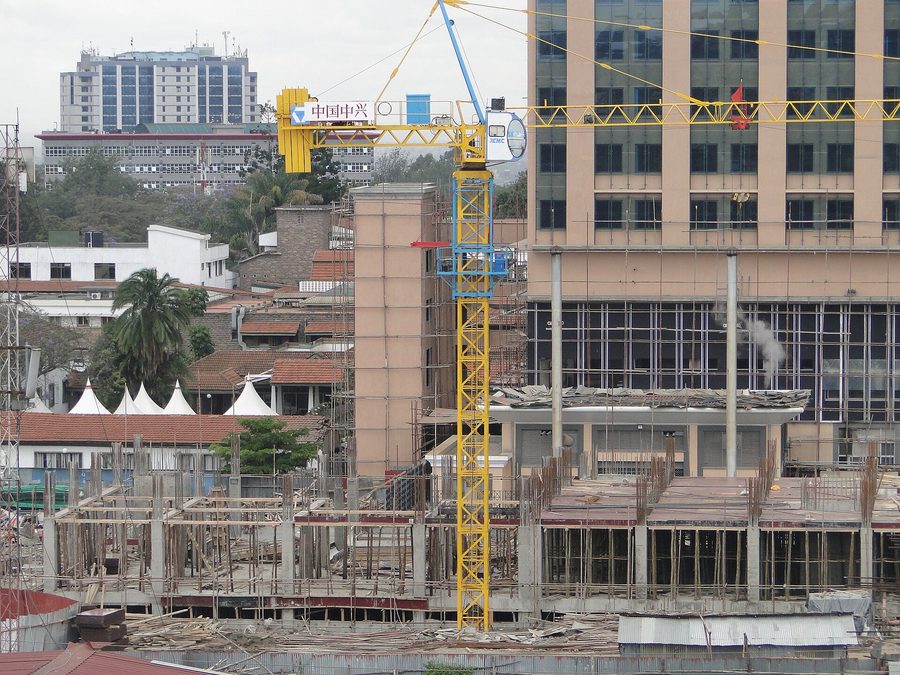
Supervision that protects design intent
Need support on a project like this?
Our team can help with feasibility, design, procurement, construction supervision and project management. Tell us about the site, scope and stage of your project.
Discuss a project