- Hydrology and geotechnical conditions decide the real project, not the headline capacity.
- Access, grid connection and environmental constraints belong in the feasibility study.
- A hydro project needs a clear construction sequence and a realistic cost range.
A hydro feasibility study is a test of uncertainty. The river, the ground, the access and the grid can each change the project, and the study must show which risks are understood and which still need work.
Hydrology and energy
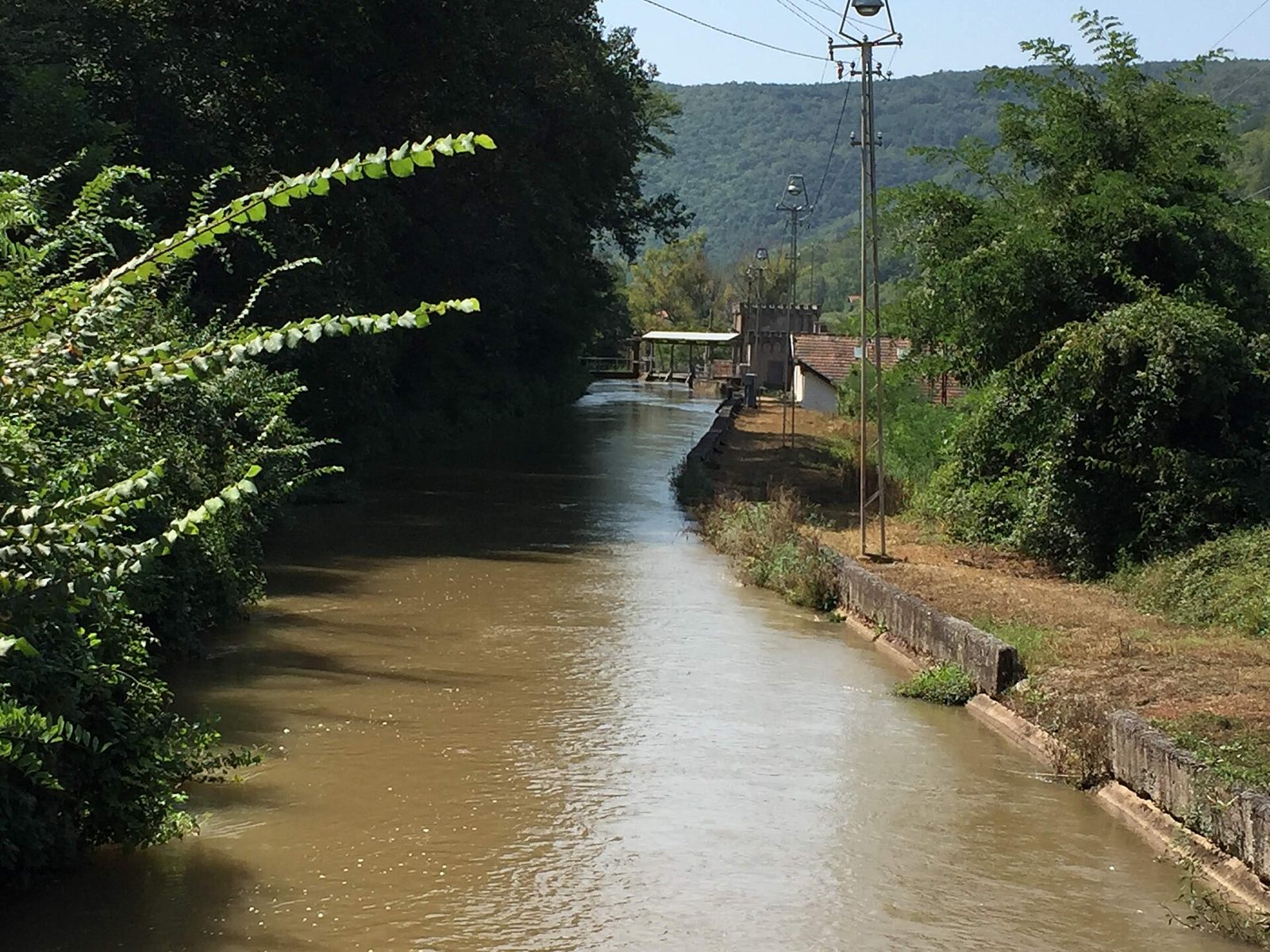
The first question is how much water is available, with what reliability, and at what head. A single average flow figure is not enough. The study should use a flow duration curve, seasonal variation, drought conditions and flood estimates. It should explain the data source and the uncertainty around it.
Energy production depends on flow, head and efficiency. The layout and operating regime determine how much of the available resource can actually be converted. Environmental flow requirements may reduce the water available for generation, and that must be reflected in the energy estimate.
The studies that decide the project
| Study | Question | Output |
|---|---|---|
| Hydrology | How much water, how often, and with what extremes? | Flow duration curve, flood estimate, environmental flow |
| Topography | What head and layout are possible? | Survey, alignment, intake and powerhouse options |
| Geotechnical | Can the intake, tunnel, canal and powerhouse be built? | Ground model, foundation recommendations, risk areas |
| Environmental and social | What are the impacts and who is affected? | Screening, baseline, mitigation and engagement plan |
| Grid | Can the power be evacuated? | Connection point, line route, substation requirements |
| Cost and finance | Is the project affordable and bankable? | CAPEX, OPEX, financial model and sensitivities |
Layout, head and civil works
Hydro projects are civil-intensive. The intake, water conveyance, surge protection, powerhouse, tailrace and access roads all need to be designed together. A small change in the intake location can change the tunnel length, the access requirement and the cost.
Sediment, debris and flood risk need particular attention. The intake must remain operable during high flows, and the civil works must be protected against erosion. In remote locations, the construction sequence and the availability of materials can be as important as the hydraulic design.
Access, grid and construction
Access roads can be a significant cost and a significant environmental impact. The study should identify the route, the river crossings and the construction logistics. The grid connection needs the same attention: voltage, distance, capacity, wayleaves and substation requirements.
The construction programme should be realistic. Hydro works are often constrained by weather, river flow and access. Temporary works, diversion and dewatering need to be planned, and the cost of these works should be in the estimate.
Environmental and social issues
Hydro projects can affect river ecology, downstream users, land and communities. The study should identify the key issues early and set out the studies and engagement needed. Environmental flow, fish passage, sediment management and resettlement can all influence the design and the schedule.
Stakeholder engagement is not a public relations exercise. Downstream water users, upstream landowners and local authorities can affect the project's licence to operate. Early engagement often improves the design.
Cost, risk and the decision
The financial model should include civil works, electro-mechanical equipment, transmission, access, owner costs, contingency and escalation. It should test lower energy, higher cost and delayed commissioning. A project that only works under one hydrological scenario is not ready for investment.
The feasibility report should end with a clear recommendation, the conditions that must be met and the next scope of work. In many cases, the most valuable output is a decision to investigate a different site or a different layout.
Conclusion
Hydro feasibility is a multidisciplinary exercise. It needs hydrology, geotechnical engineering, civil design, environmental and social input, grid analysis and financial modelling. Amanda Engineering has prepared feasibility studies for hydro projects including the 60 MW Embobut project and the 20 MW Sidikho project, and supports developers from site identification through to bankability.
What a bankable study should include
A bankable study should show the basis of the hydrology, the ground model, the layout, the energy estimate, the cost estimate and the financial model. It should explain the environmental and social constraints and the status of land and permits. It should also set out the studies that remain outstanding and their effect on the schedule.
Common mistakes include using a single flow value, ignoring environmental flow, underestimating access roads, assuming grid capacity and leaving geotechnical risk as a contingency. These issues rarely disappear during detailed design. They usually become more expensive.
Common mistakes
- Using average flow without seasonal and drought analysis.
- Ignoring sediment, debris and flood risk at the intake.
- Leaving access roads and river crossings out of the cost estimate.
- Assuming a grid connection without a system study.
- Treating environmental flow as a minor adjustment rather than a design constraint.
What a solar feasibility study should answer
Need support on a project like this?
Our team can help with feasibility, design, procurement, construction supervision and project management. Tell us about the site, scope and stage of your project.
Discuss a project